Merry Magical Embroidery
First Impressions: Playful, Warm, and Instantly Recognizable
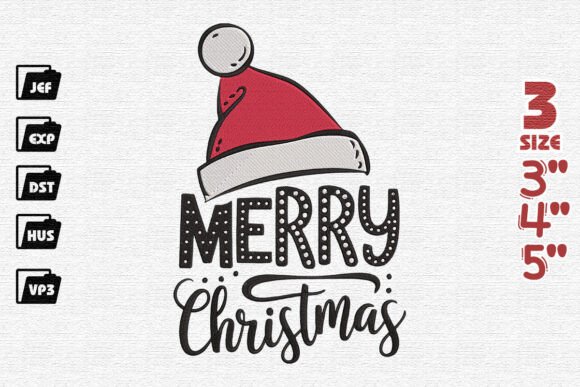
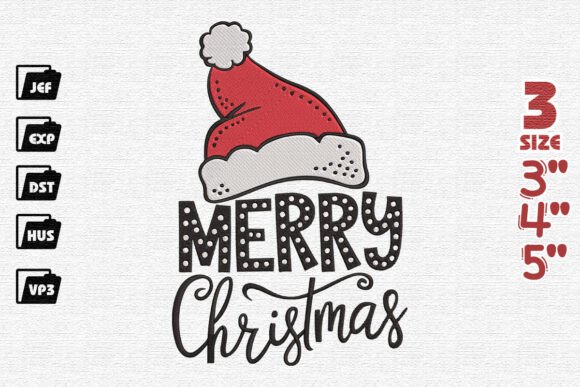
When I opened Merry Magical Embroidery, my first thought wasn’t “cute holiday design”—it was “this feels like a hug in stitch form.” The Santa hat anchors the composition with gentle curves and soft volume, while the “Merry Christmas” typography leans just enough to feel hand-drawn, not rigid or overly digitized. There’s no forced whimsy here—just confident, balanced proportions and intentional negative space that lets the embroidery breathe. It reads clearly at 3.5 inches wide, but also holds up beautifully scaled down to 2.25 inches on a baby onesie or up to 4.75 inches on a linen tote. That versatility is rare—and valuable.
A Real-World Test: Stitching It on a Linen Kitchen Towel
Last week, I prepped Merry Magical Embroidery for a small-batch holiday kitchen towel line—linen blend, medium weight, slightly nubby texture. I used tear-away stabilizer (lightweight cutaway would’ve been overkill), 40-weight polyester thread in deep cranberry and ivory, and stitched it centered on the towel’s lower corner. The result? Crisp satin-stitched hat brim, smooth fill-stitched letters with zero puckering, and just enough running-stitch detail in the hat’s trim to suggest texture without crowding. Customers who saw the finished sample said, “It looks handmade—but polished,” which is exactly the impression you want when selling premium embroidered home goods.
Where It Shines (and Where It Needs Thought)
Merry Magical Embroidery excels on stable, medium-to-heavy fabrics: cotton twill aprons, fleece-lined sweatshirts, canvas tote bags, and woven pillow covers. Its moderate stitch density keeps it flexible on apparel and avoids stiffness on baby items like burp cloths or knit caps. As a machine embroidery design, it’s forgiving on hoop size—fits comfortably in a 4×4 hoop, but also adapts cleanly to 5×7 if you’re adding a name or date below.
That said, proceed with care on:
- Thin or highly stretchy fabric—like jersey t-shirts or lightweight rayon—where even subtle lettering can distort without proper cutaway stabilizer and reduced top tension;
- Dark or heavily textured backgrounds—the hat’s subtle shading may soften on charcoal fleece or bouclé; always test thread color contrast before full production;
- Curved surfaces like structured caps—the design’s horizontal layout works best on flat or gently contoured areas; avoid placing it too high on a crown or across a seam;
- Products requiring frequent washing—while the stitch structure is sound, reinforce with quality thread and avoid dense fill areas near edges if stitching on tea towels or baby bibs.
What It Adds to Your Finished Product—Beyond the Obvious
This isn’t just another Christmas motif. Merry Magical Embroidery elevates perceived value because it balances charm with craftsmanship. On an Etsy listing for personalized holiday sweatshirts, it reads as thoughtful—not generic. On a boutique apron, it signals attention to detail without overwhelming the garment’s function. And for craft fair shoppers? It sparks immediate recognition and emotional resonance—“Oh! My grandma had one of those hats!”—which builds trust faster than any product description.
It also supports brand consistency: whether you’re using it across tote bags, patches, and digital mockups for your shop, the design maintains its warmth and clarity. No awkward scaling, no lost detail in corners, no jagged edges in the hat’s pom-pom. That reliability matters when you’re batch-producing 50+ units or building repeatable design assets for seasonal collections.
Practical Designer Notes You’ll Actually Use
Before stitching Merry Magical Embroidery into your next project, do these five things:
- Test on scrap fabric—especially if you’re using a new stabilizer combo or thread brand. Linen, cotton poplin, and midweight fleece all behave differently under needle stress.
- Check thread color contrast on both light and dark backgrounds. What reads perfectly on ivory may vanish on navy unless you adjust top thread or add a shadow layer.
- Review stitch density visually—zoom in on your embroidery software. Look for tight clusters where fill meets satin stitch; those spots may need slight density reduction for softer drape on apparel.
- Confirm hoop size compatibility—if you’re working with smaller hoops (like 3×3 for baby items), verify the smallest recommended size. Don’t force-fit it—reposition or simplify first.
- Inspect small details at 200% zoom—especially the hat’s stitching lines and letter terminals. If they look pixelated or uneven on screen, they’ll likely stitch poorly.
Also: run a black-and-white mockup. If the design loses legibility or shape without color, it’s a sign the underlying structure needs refinement—or that it’s better suited for applique than standalone fill stitch. And if you plan to sell finished products (like embroidered patches or personalized gifts), double-check licensing terms. Not all digital embroidery files permit commercial use out of the box—even festive ones.
The Bottom Line for Craft Business Owners and Makers
Merry Magical Embroidery is a quiet standout—not flashy, not overdesigned, but deeply functional. It fits seamlessly into real workflows: from custom apparel for local boutiques to limited-run holiday patches for craft fairs, from nursery decor bundles to Etsy-ready printable mockups. It doesn’t ask for special treatment, but it rewards thoughtful execution. When stitched well, it makes your handmade product feel intentional, warm, and quietly professional—exactly what customers remember (and reorder) long after the tree comes down.
If you’re curating a seasonal collection, building a cohesive holiday line, or simply choosing one design to anchor your December offerings—Merry Magical Embroidery earns its place. Not because it shouts “Christmas,” but because it whispers “care.” And in handmade, that’s the detail that sells.