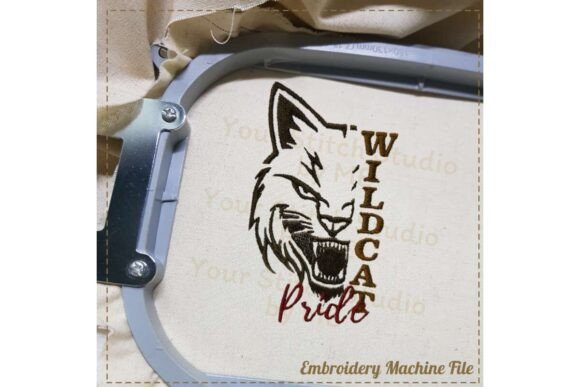
Wildcat Pride Embroidery Design
A Designer’s First Look: Bold, Playful, and Instantly Recognizable
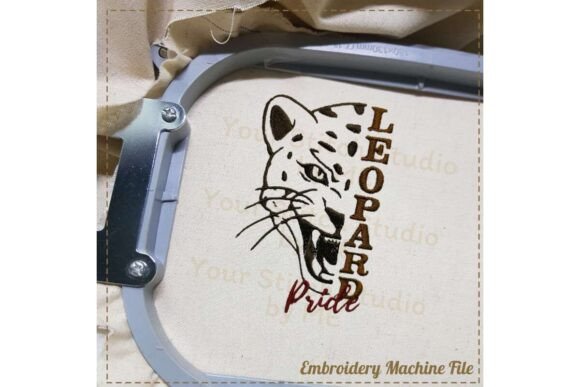
When I opened the Wildcat Pride Embroidery Design file, my first thought wasn’t “cute” or “trendy”—it was “this will read at a glance.” That matters. Whether you’re stitching it on a sweatshirt for a high school fundraiser or embroidering a baby onesie for a proud alum parent, clarity is non-negotiable. The design balances strong silhouette with just enough detail—ears perked, tail lifted, confident stance—to feel spirited without tipping into clutter. It’s not overly cartoonish, nor is it stiff or corporate. It lands squarely in that sweet spot where sports pride meets handmade warmth.
Real Project Test: A Boutique Tote Bag Launch
Last week, I used Wildcat Pride Embroidery Design to produce 24 custom canvas tote bags for a local boutique’s back-to-school pop-up. We stitched it on the lower left front panel—3.5 inches tall—on natural cotton canvas with medium-weight cutaway stabilizer. The result? Clean satin-stitched outlines, smooth fill-stitch fur texture, and zero thread breaks across all 24 runs. Customers loved how it looked both casual and intentional—not like an afterthought, but like a signature touch. One buyer even asked if we offered matching pillow covers (we didn’t yet—but now we do).
Where It Shines—and Where It Needs Thought
- Custom apparel: Works beautifully on crewneck sweatshirts and relaxed-fit tees—especially when placed center-chest or upper-back. The proportions hold up well at 3–4 inches.
- Tote bag design & pillow covers: Ideal scale and stitch balance. No puckering, even on thicker woven fabrics.
- Baby embroidery & nursery decor: Gentle enough for onesies and burp cloths—just reduce to 2.25 inches and use lightweight tear-away stabilizer.
- Holiday embroidery & personalized gifts: Paired with simple monogram initials or “Class of 2025,” it adds instant personality to graduation or homecoming gifts.
- Embroidered patch: Easily converted to an iron-on or sew-on patch with clean edge definition—great for scout groups or spirit days.
Watch These Details Before You Stitch
Wildcat Pride Embroidery Design is versatile—but not universal. Here’s where I pause and double-check:
- Small hoop sizes: Avoid going below 3 inches tall. At 2 inches, the eye detail softens and the paw definition blurs—especially on low-density settings.
- Textured or stretchy fabric: On French terry or ribbed knit, add a layer of topping (like Sulky Solvy) over the design area. It keeps satin stitches from sinking into the pile.
- Dark fabric: Use bright white or metallic silver thread for the outline—it lifts the shape right off charcoal or navy. Don’t rely on default thread colors.
- Caps & curved surfaces: The design works on structured caps, but only if hooped tightly and stitched with a cap frame. Skip it on unstructured dad hats—the curve distorts the wildcat’s posture.
- Frequent-wash items: For kitchen towels or baby blankets, confirm the stitch density isn’t too light. A quick tug-test on your first sample tells you everything.
What It Does for Your Craft Business—Beyond the Stitch
As someone who’s helped Etsy sellers scale their embroidery lines, I can say this: Wildcat Pride Embroidery Design builds trust fast. When customers see consistent, confident stitching on your product photos—no fuzzy edges, no floating threads—they assume care, skill, and intention. That perception directly lifts perceived value. A $28 embroidered tote feels like a $42 boutique item when the Wildcat Pride Embroidery Design is crisp and centered.
It also supports brand consistency. If you’re curating a line around school spirit, regional pride, or youth athletics, this design becomes a reliable anchor—not a one-off novelty. And for digital embroidery file sellers? It’s a strong mid-tier asset: approachable enough for beginners, detailed enough for advanced crafters, and licensed clearly for commercial embroidery (always verify license terms before selling finished items).
Practical Designer Notes You’ll Actually Use
- Test the Wildcat Pride Embroidery Design on scrap fabric *first*—especially if you’re using a new thread brand or stabilizer combo.
- Check thread color contrast in natural light. What looks sharp on screen may mute on oatmeal linen or heather grey.
- Review stitch density visually: dense fill areas should look plush, not stiff; open areas should breathe—not gape.
- Confirm hoop size compatibility. If your machine defaults to 4x4, make sure the design fits comfortably within that boundary without trimming corners.
- Inspect small details—especially the whiskers and inner ear lines—under magnification. They’re subtle, but they’re what separate “handmade charm” from “generic clipart.”
- Run black-and-white mockups. If the design loses its energy without color, reconsider placement or pairing elements.
- Compare performance on light vs. dark backgrounds. Some fill-stitch patterns behave differently depending on fabric tone.
- Use proper stabilizer—cutaway for knits, tear-away for stable wovens, and fusible for lightweight silks or rayons.
- Verify licensing before listing as part of a finished product or digital bundle. Not all embroidery files permit resale of stitched items without attribution or limits.
Final Thought: This Is a Workhorse, Not a Wallpaper
Wildcat Pride Embroidery Design doesn’t try to be everything. It doesn’t mimic watercolor, mimic lace, or pretend to be minimalist. It’s a focused, spirited, sports-rooted machine embroidery design built for real work—on real fabric, for real people, in real small businesses. Whether you’re prepping for craft fair season, building an Etsy collection, or fulfilling a custom order for a coach’s retirement gift, it delivers clarity, confidence, and quiet professionalism. That’s rare. And that’s why it stays in my go-to folder.